

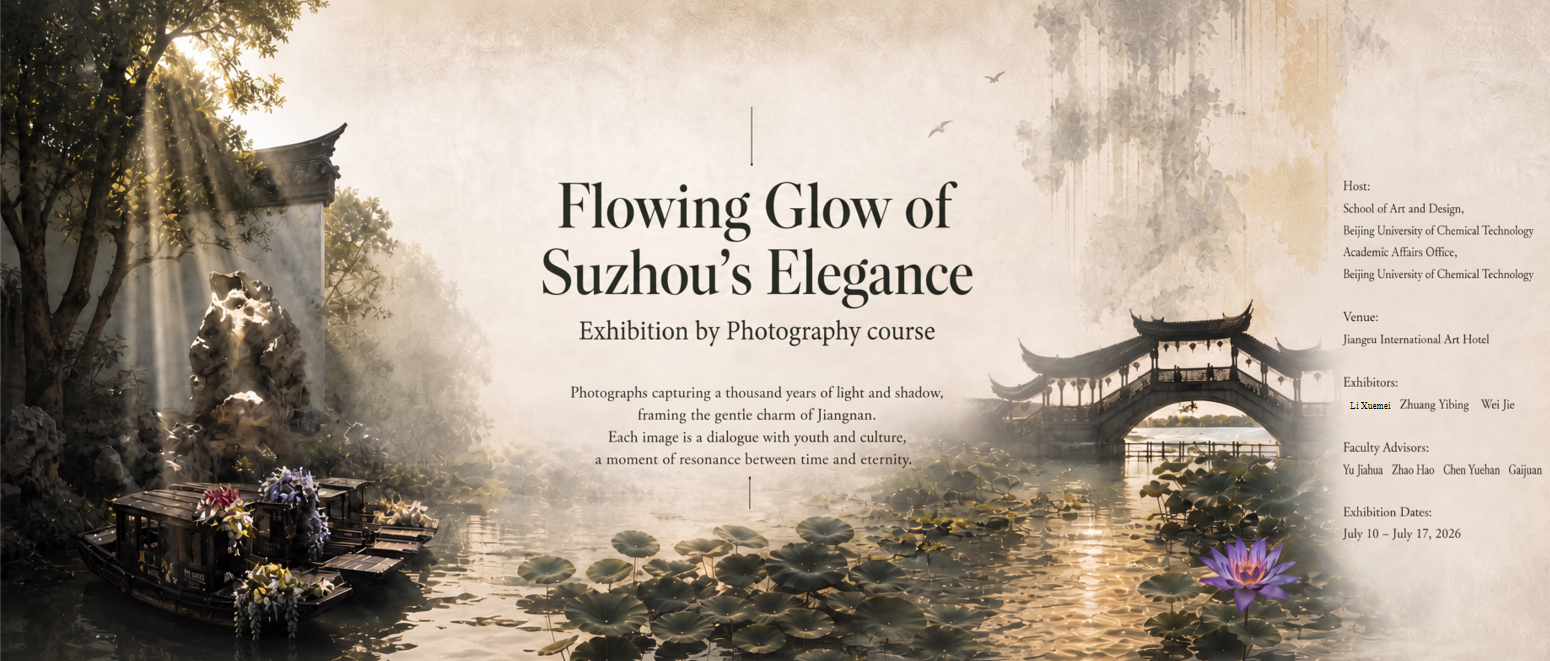
From July 10 to 17, 2026, the exhibition "Suzhou Charm · Flowing Light" — the Second Excellent Photography Practice Exhibition of Beijing University of Chemical Technology (BUCT) — was held at the Jiangsu International Art Hotel. The exhibition was jointly hosted by the Department of Art and Design and the Academic Affairs Office of BUCT, co-organized by the Suzhou Plein-air Painting Base, and supported by Luzhi Ancient Town with research and cultural resources. Featuring more than 100 photographic works by faculty and students, the exhibition presented students' observation, reflection and creative achievements in the photography practice course, following the theme "Light and shadow mirror a thousand years of charm; the lens captures the soul of Jiangnan."
From the first edition "Fleeting Moments" in 2025 to the second edition "Flowing Light" in 2026, faculty and students of the Department of Art and Design have completed an in-depth dialogue with Jiangnan through two exhibitions. The teaching practice also received wide media attention: Ziniu News of Yangtze Evening Post published a feature report on the exhibition and the course, documenting how BUCT students root themselves in real Jiangnan settings and engage with culture through images.
Answering the Question of the Times: Why Real Scenes Still Matter in the AIGC Era
As AIGC technology advances rapidly and smartphone photography becomes universal, the threshold of visual production has been lowered as never before. When virtual images are at everyone's fingertips and "everyone can shoot" becomes the norm, a question naturally arises: why should design students still devote themselves to on-site creation, and how can a photography practice course demonstrate its irreplaceable professional value?
The "Suzhou Charm · Flowing Light" exhibition is BUCT's pedagogical answer to this question of the times. Breaking away from the single framework of conventional technical training, the course defines photography as a fundamental core training for design majors: it is training in visual language as well as real-world observation, training in aesthetic ability as well as humanistic understanding, and training in creative methodology as well as professional ethics.
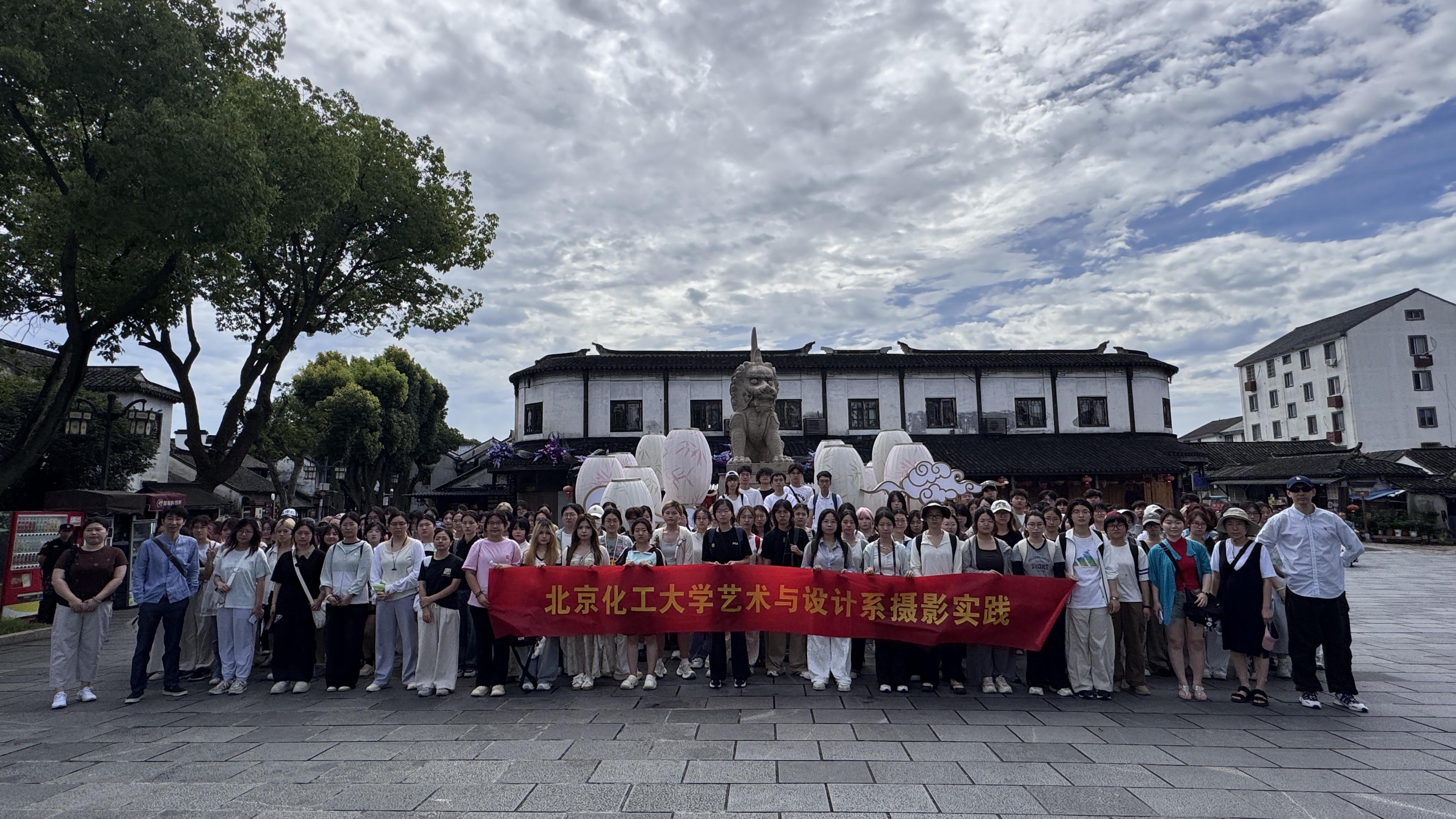
Students walked into the Humble Administrator's Garden, the Lingering Garden, Luzhi Ancient Town and the Suzhou Museum — savoring the subtle order of Eastern garden-making along winding paths, capturing the warmth of Jiangnan life among whitewashed walls and dark-tiled roofs, and observing how contemporary design translates tradition between modern geometry and traditional imagery. The photographic works are not merely records of "the beauty of Suzhou"; they are process-based outcomes of students transforming course concepts into visual expression.
"Three Hearts and Three Capabilities": From Knowing How to Shoot to Knowing How to Observe, Understand and Transform
The course is built upon the "Three Hearts and Three Capabilities" design foundation model, which integrates John Dewey's empiricist view of "learning by doing" with the human-centered paradigm of modern design, forming a practice teaching system with both humanistic warmth and professional rigor.
Dimension | Core Concept | Course Connotation | Corresponding Training | Professional Support |
Three Hearts | Compassion | Step into real life and attend to the circumstances, emotions and everyday experiences of ordinary people, giving images human warmth. | Humanistic documentary; street observation; capturing details of daily life | Supports need-finding in product design and emotional storytelling in digital media art |
Empathy | Step outside one's own perspective and consider visual expression from the standpoints of the subject, the viewer and the future design audience. | Audience awareness; perspective switching; narrative viewpoint selection | Supports user-centered design thinking and communication | |
Reverence | Respect reality, culture, life and nature, and establish ethical boundaries for image-making. | Documentary ethics; cultural-context understanding; non-intrusive shooting | Supports value judgment and cultural awareness in professional creation | |
Three Capabilities | Perception | Observe light and shadow, space, texture, order and atmosphere in real settings to discover design inspiration. | Light-and-shadow observation; spatial reading; detail extraction | Supports product form, material texture, scenario experience and visual asset accumulation |
Expression | Transform feelings into visual language that can be seen and understood, through composition, color, viewpoint, depth of field and narrative organization. | Composition training; tonal control; visual storytelling | Supports visual communication, media narrative and design presentation | |
Creativity | Form a personal perspective on the basis of real observation, break away from homogeneous image production and achieve original expression. | Perspective experiments; theme distillation; serialized creation | Supports design innovation, image creation and cross-media transformation |
Pedagogically, the "Three Hearts" address why students shoot, for whom they shoot, and with what values; the "Three Capabilities" address how they observe, express and create. The former gives photography practice ethical depth and a humanistic foundation, while the latter turns it into professional competence and design methodology. Together they respond to problems that may arise in design education in the AIGC era — dulled perception, homogeneous images, insufficient real-world experience and blurred value judgment.
From Gardens to Streets: Honing Visual Thinking in Real Settings
The practice established a full-process teaching model: on-site observation, themed shooting, image selection, post-production refinement, exhibition, and review with reflection.
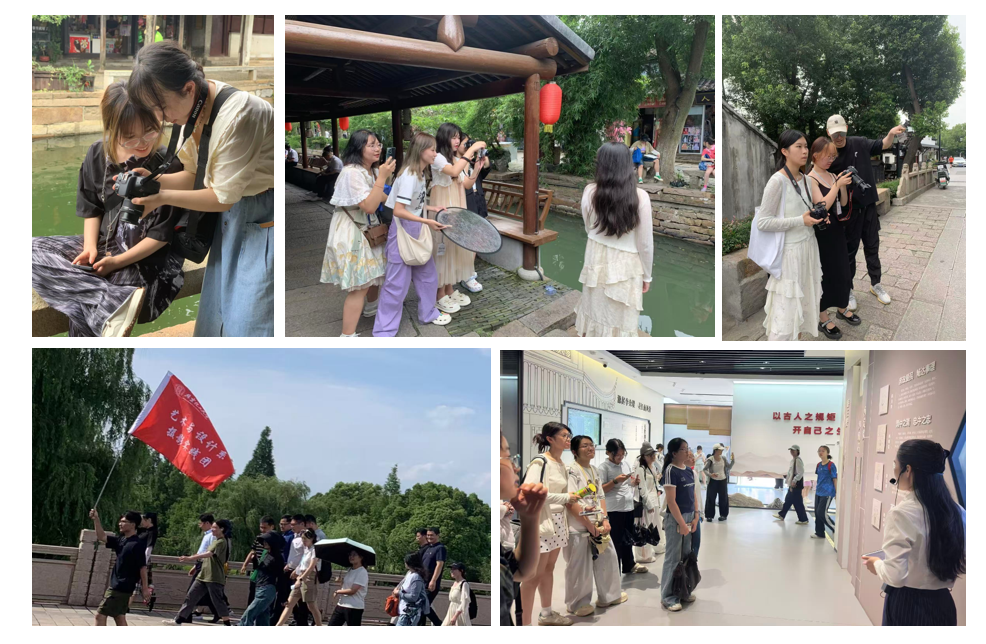
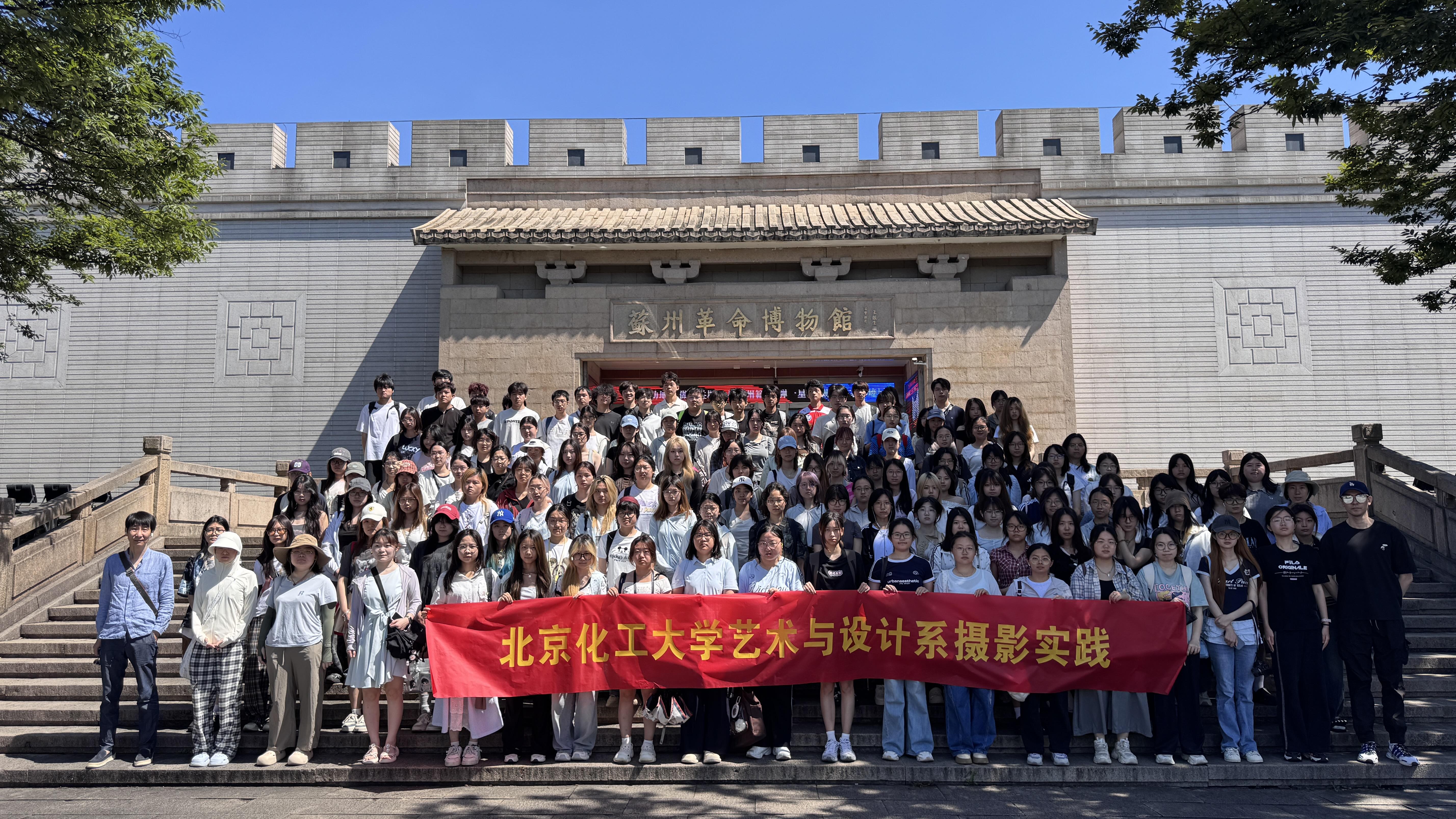
In garden spaces, students learned to understand Eastern spatial aesthetics through framed views, borrowed scenery, lattice windows, winding corridors, ponds and rockeries, training spatial perception and compositional expression. In the lanes of the water town, facing bridges, canals, old houses, passers-by, crafts and daily labor, they learned to capture human warmth from the details of everyday life. In contemporary cultural spaces such as the Suzhou Museum, they observed the relationship between traditional imagery and modern geometry, and between natural light and architectural structure, understanding how traditional culture is translated into contemporary design. Under the guidance of their teachers, students also turned their lenses to sites of revolutionary history, such as the former site of the CPC Suzhou Independent Branch and the Suzhou Revolutionary Museum, coming to understand — in the juxtaposition of black-and-white memories and colorful reality — that "inheritance" is not an abstract concept but a concrete gaze.
The exhibition theme was thus distilled: "Su Charm" points to Suzhou's millennia-old cultural lineage and the unique grace of the Jiangnan water towns — the direction of the lens and the object of cultural understanding; "Flowing Light" is both the visual flow of light and shadow and a spiritual measure of time's sedimentation and youthful seeing.
Student Reflections: Growing Professionally through the Course
During the field shooting in Suzhou, guided by the values of the "Three Hearts" and the methodology of the "Three Capabilities," students transformed classroom theory into authentic creative experience. Selected reflections are as follows.
"Walking through the gardens and old lanes of Suzhou, I truly felt the difference between on-site shooting and classroom theory. I used to care only about whether a picture looked nice and would press the shutter in a hurry; in this practice I began to learn to wait for the light, observe details and adjust composition repeatedly. The layered changes of white walls and dark tiles, flowing water and stone bridges, light through lattice windows and flagstone paths made me realize that photography is not simple recording, but a delicate perception of environment, time and emotion. The course helped me shed the impatience of casual shooting and understand that good images come from reverence for the real scene."
— Yang Yuxuan
"Through the course, I not only understood the relationship among shutter speed, aperture and ISO, but also learned pre-planning, AI-assisted composition, RAW processing and color grading. More importantly, I came to realize that photographic technique does not exist in isolation — it ultimately serves thematic expression and visual judgment. For digital media art and design studies, photography helped me build a complete workflow awareness from planning and shooting to post-production presentation, enabling me to complete visual proposals more independently."
— Wang Yuhan
"The streets, gardens and waterfronts of Suzhou made me feel that Jiangnan culture is not merely a concept in books, but lives in people's lives, in the texture of buildings and in the traces of time. I enjoyed wandering through the lanes of Pingjiang Road, listening to the calls of shopkeepers, smelling the aroma of snacks, and watching the old waterside houses and white walls reflect each other in the dusk. Through the lens, I was no longer just watching scenery, but trying to understand how people here live and how culture continues in everyday life. This practice helped me find a way to dialogue with the city through images."
— Wang Han
"The small bridges, flowing water and old residences of Luzhi are full of everyday vitality, teaching me to capture authentic humanistic details of the water town; in the Humble Administrator's Garden, where every step reveals a new scene, lattice windows, ponds and rockeries worked like natural picture frames, allowing me to practice framed composition again and again; the Suzhou Museum blends modern architecture with Jiangnan's classical charm, teaching me how to balance traditional culture and contemporary visual expression. I came to understand that photography is not only recording scenery, but also reading the cultural heritage and stories behind it."
— Su Yuling
These reflections show that the value of the photography practice course lies not only in the completeness of the works, but also in the transformation of students' ways of observing, creative awareness and professional understanding — moving from "capturing" to "seeing," from "recording" to "expressing," and from "image production" to "value construction."
Selected Works
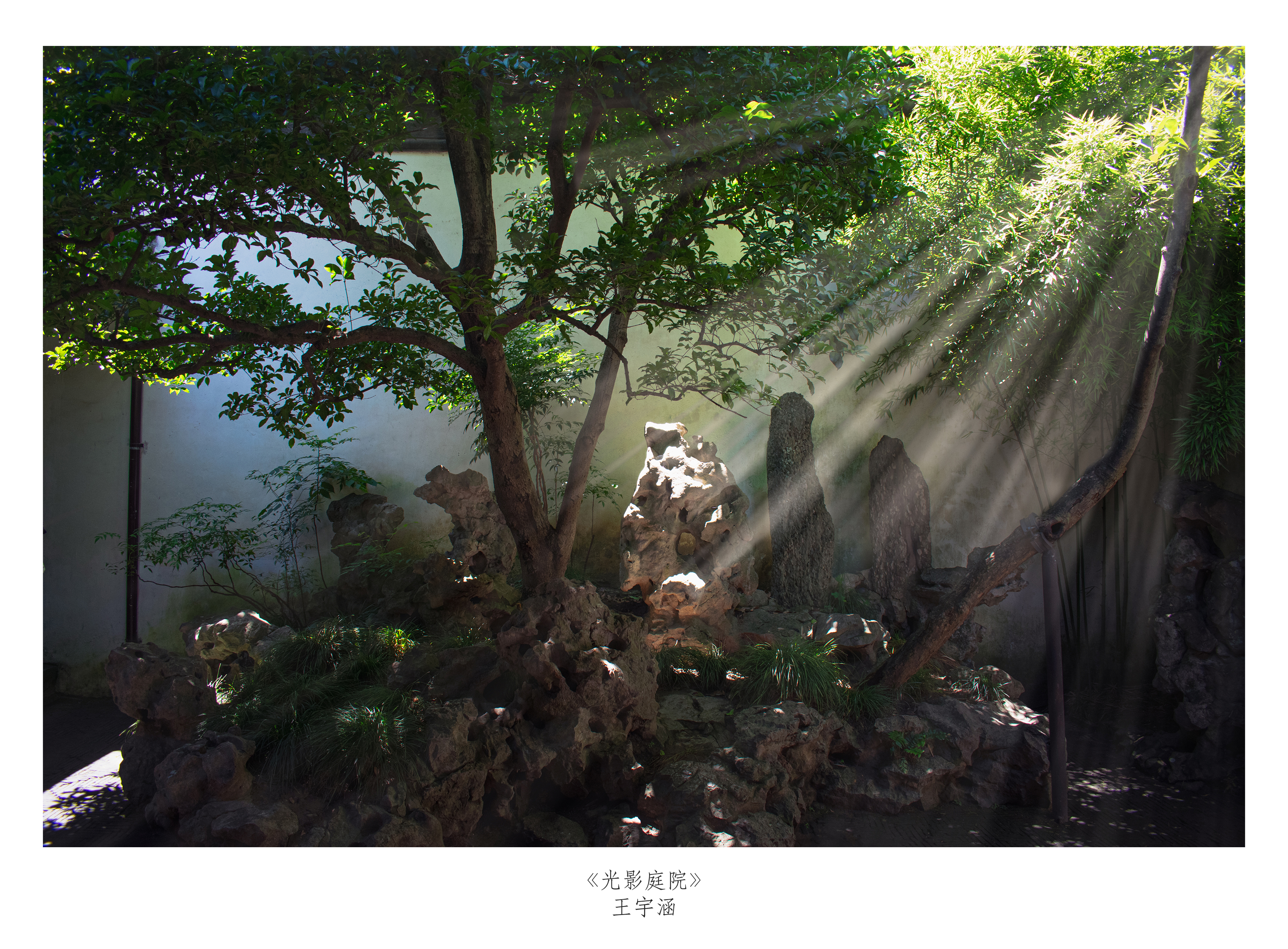
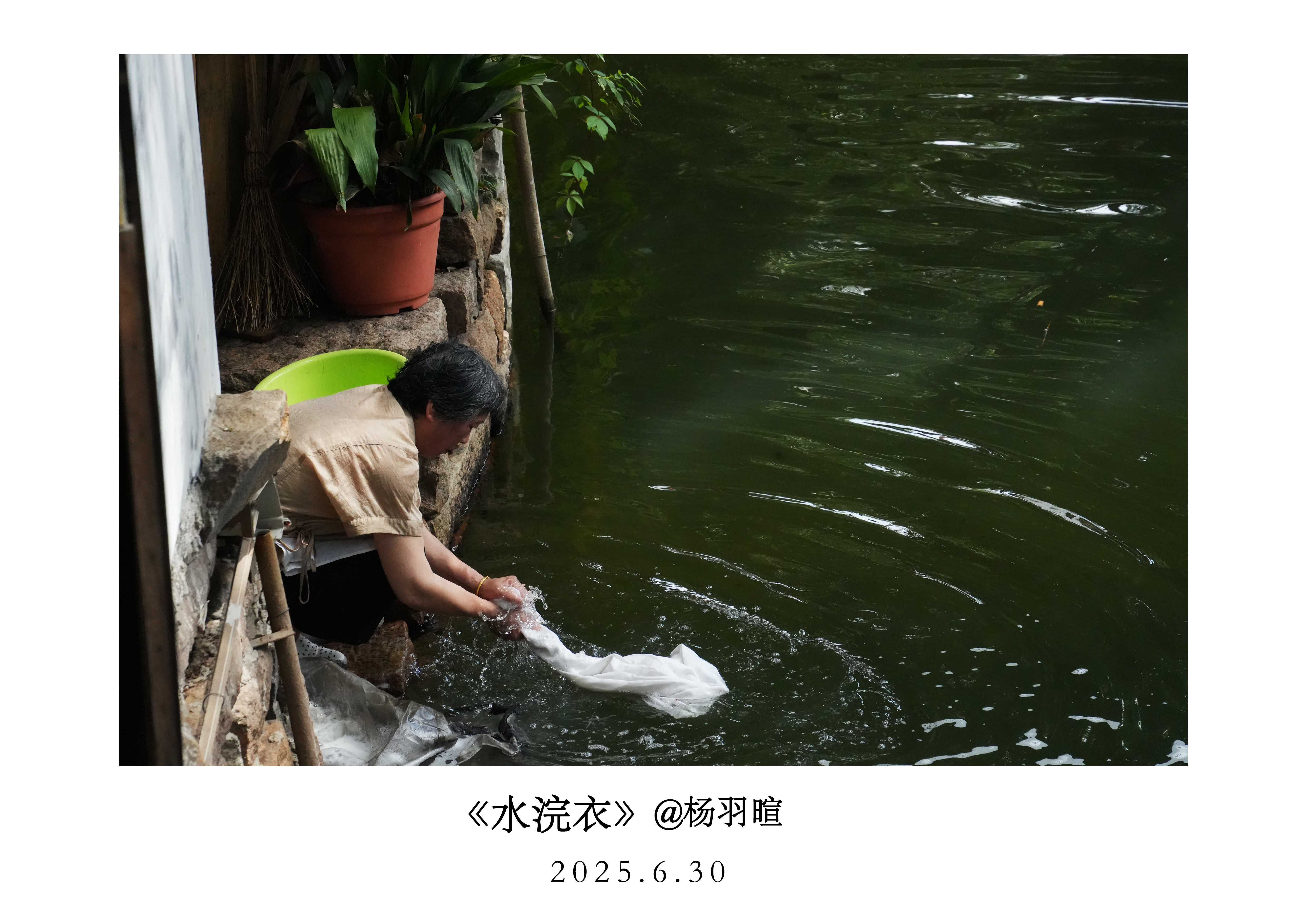
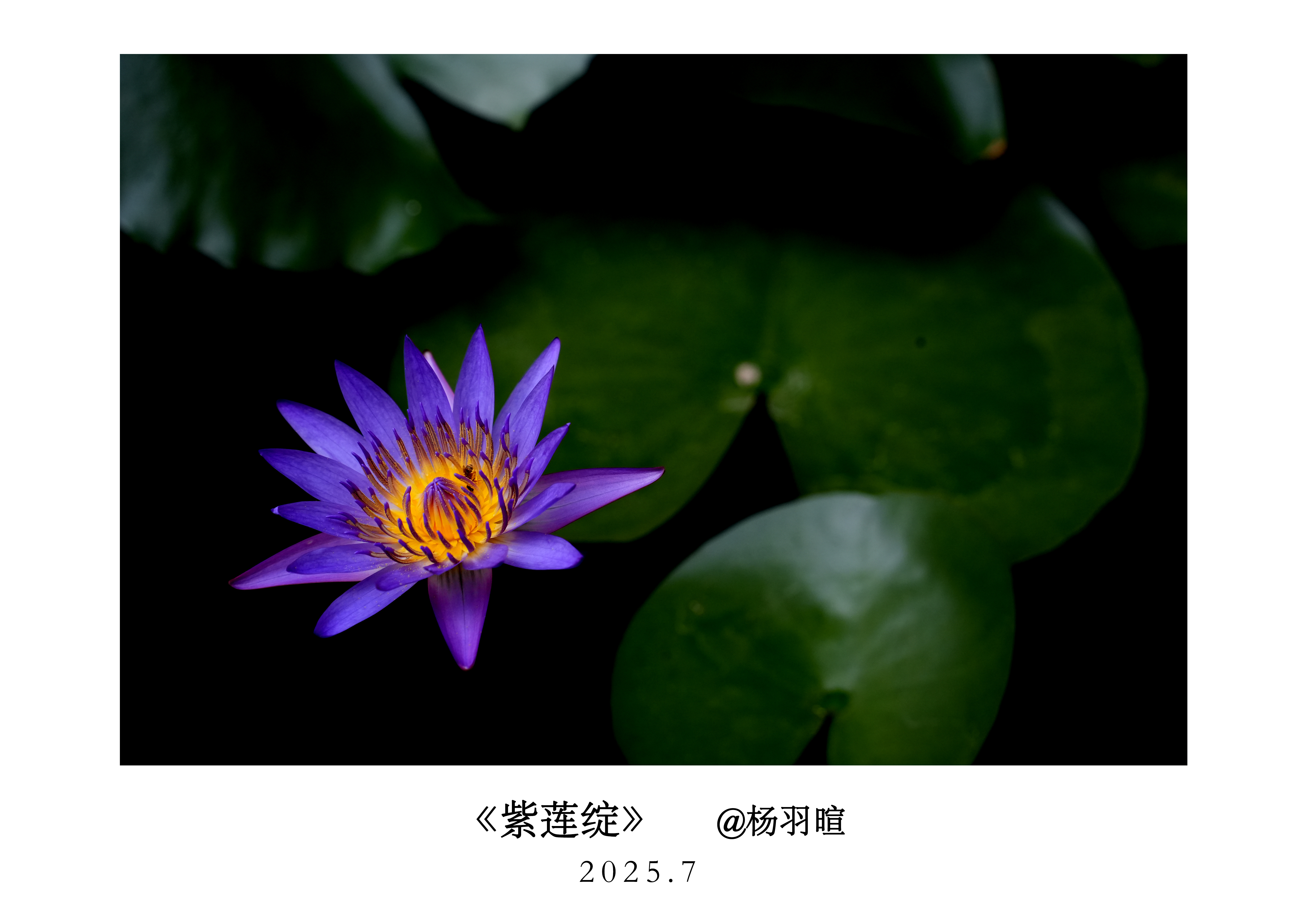
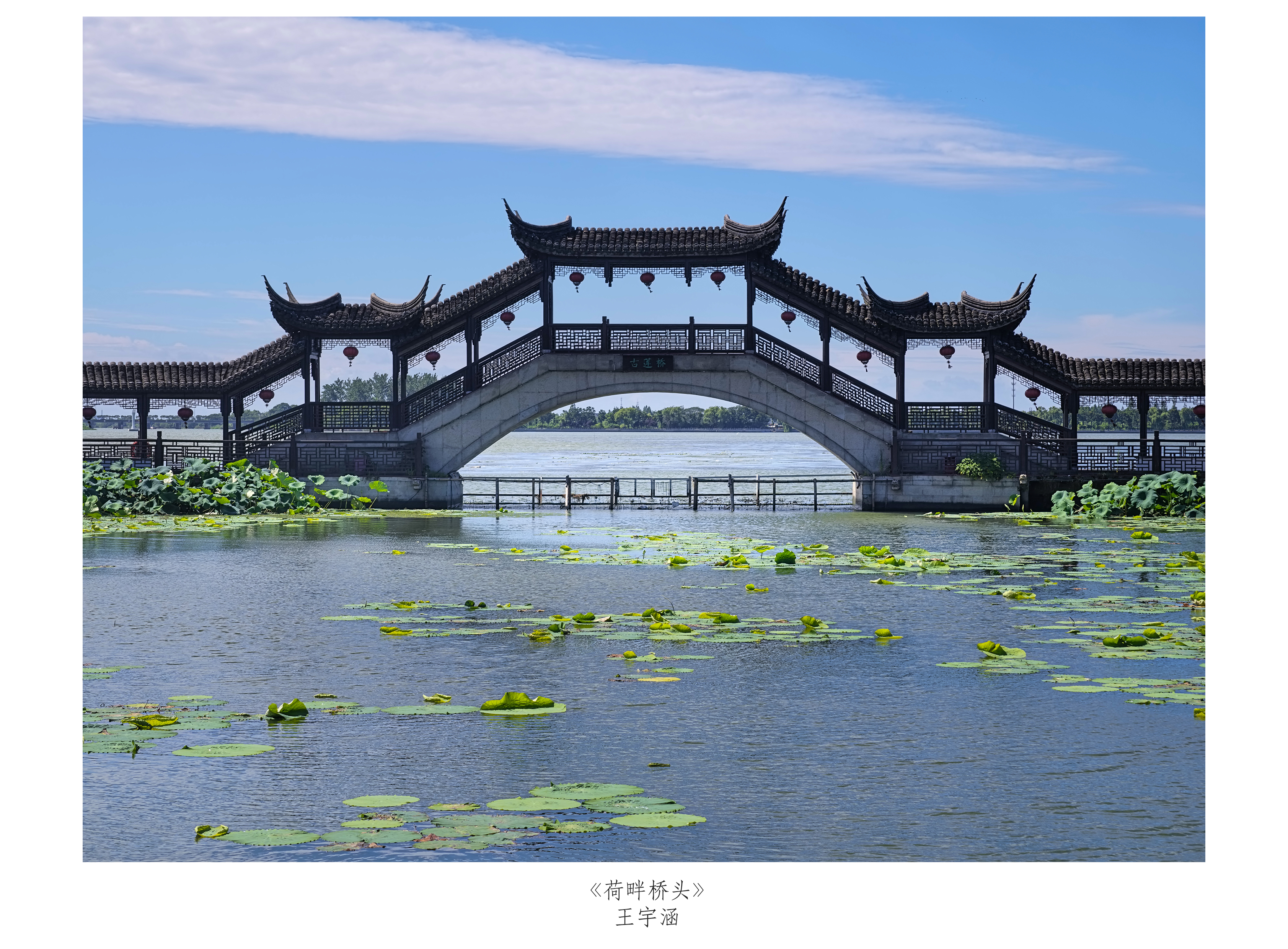
The exhibition presents a selection of outstanding student works covering themes such as garden light and shadow, water-town scenery, humanistic documentary and natural close-ups. The works embody both the poetic temperament of Jiangnan's regional culture and the students' practical achievements in composition, light and shadow, narrative and thematic distillation.


Closing Message: Answering the Question of the Times with Authentic Perception
"Suzhou Charm · Flowing Light" is not only a photography exhibition, but also a course practice on how to uphold authenticity in the AI era, maintain perception amid the flood of images, and build a humanistic stance in professional learning. When AIGC makes image generation effortless, the course still requires students to step out of the classroom and into real settings — to measure reality with their footsteps, understand culture through the lens, and express their inner world through images. Behind every frame lies the cultivation of the "Three Hearts" — compassion for others' circumstances, empathy for the audience, and reverence for authentic culture — as well as the training of the "Three Capabilities" — perceiving details of light and shadow, expressing visual viewpoints, and creating unique perspectives.
For students of product design and digital media art, such photography practice is an essential part of professional growth. It allows them to accumulate visual experience in the real world, form aesthetic judgment within regional culture, build expressive ability through image creation, and transform these experiences into the foundational literacy for future design learning and digital content creation.
May the students carry with them the core abilities that AI cannot replicate — to see, to think, to love, and to create — always taking root with the "heart" and being empowered by "capability" on their future path of professional learning.
Media Coverage
Ziniu News (Yangtze Evening Post) published a feature report on the exhibition, titled "From 'Fleeting Moments' to 'Flowing Light'! BUCT Faculty and Students Complete a Second Dialogue with Jiangnan through Two Exhibitions." Full report:https://wap.yzwb.net/wap/news//4994916.html
Written by: Zhao Hao
Audited by: Li Xuemei